

Choose the Right Machinery for Your Construction Project
3rd Feb, 2026
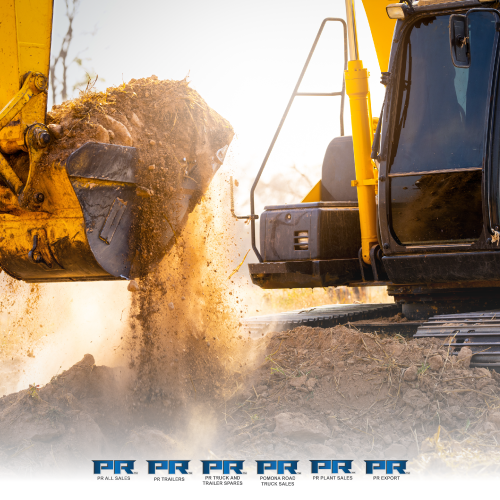
Choosing the right machinery for a construction project is one of the most important decisions a contractor, project manager, or business owner will make. The equipment you select directly affects productivity, timelines, operating costs, site safety, and long-term profitability.
Too often, machinery decisions are based on availability, price, or habit rather than a structured evaluation of project requirements. This approach can lead to underutilised equipment, excessive downtime, rising maintenance costs, and delayed completion dates.
This guide is designed to help construction professionals make informed, commercially sound machinery decisions. It outlines the practical factors that matter most when selecting construction equipment and explains how working with a specialised plant equipment partner, such as PR Plant & Equipment, supports better outcomes throughout the project lifecycle.
Why Machinery Selection Matters More Than You Think
Construction machinery is not a passive asset. Every machine on site either contributes to momentum or becomes a constraint.
The right equipment:
-
Increases daily output
-
Reduces labour inefficiencies
-
Minimises fuel consumption
-
Lowers repair and downtime risk
-
Supports consistent quality and safety standards
The wrong equipment:
-
Slows progress
-
Increases operating costs
-
Creates scheduling bottlenecks
-
Places unnecessary strain on operators and support teams
Machinery selection should therefore be treated as a strategic decision, not a last-minute procurement task.
Step 1: Define the Scope and Nature of the Project
Before evaluating specific machines, it is essential to understand the project itself. Every construction environment places different demands on equipment.
Key questions to ask include:
-
Is the project earthworks-heavy, structural, or finishing-focused?
-
What volumes of material need to be moved, lifted, or compacted?
-
How long will each phase of work run?
-
Is the site urban, rural, confined, or open?
-
What ground conditions are expected?
For example, bulk earthworks require different machinery than trenching, foundation preparation, or material handling. Selecting equipment that aligns precisely with the scope prevents over-capitalisation and underperformance.
Step 2: Match Equipment Type to Task Requirements
Each category of construction machinery is designed to solve a specific set of problems. Understanding these roles helps avoid mismatches that cost time and money.
Common machinery categories include:
-
Excavators for digging, trenching, and material handling
-
Loaders for moving aggregates and bulk materials
-
TLBs for versatile, multi-function site work
-
Rollers and compactors for soil and surface preparation
-
Skid steers for confined or precision environments
At PR Plant & Equipment, machinery is assessed and positioned based on real-world applications rather than generic specifications. This ensures contractors are not paying for capacity they do not need or struggling with equipment that is underpowered for the task.
Step 3: Evaluate Site Conditions and Constraints
No two construction sites are the same. Even identical machines perform very differently depending on terrain, access, and operating conditions.
Critical site factors include:
-
Soil type and stability
-
Incline and gradient
-
Space restrictions
-
Access routes and delivery points
-
Environmental regulations and noise constraints
A machine that performs well on open, stable ground may be unsuitable for compact urban sites or uneven terrain. Choosing equipment with the right size, reach, and manoeuvrability prevents operational compromises that affect productivity.
Step 4: Consider Project Duration and Equipment Utilisation
Machinery selection should always be aligned with project timelines.
Short-term projects often benefit from equipment that prioritises reliability and immediate availability. Long-term projects may justify higher-capacity machines with stronger duty cycles.
Questions to ask:
-
Will this machine be used daily or intermittently?
-
Is it required for one phase or multiple phases?
-
Will it move between sites?
At PR Plant & Equipment, buyers are guided through utilisation planning to ensure machines deliver value throughout their working life, not just at the point of purchase.
Step 5: Assess Operating Costs, Not Just Purchase Price
One of the most common mistakes in equipment selection is focusing solely on the upfront price.
The true cost of machinery includes:
-
Fuel consumption
-
Maintenance and servicing
-
Parts availability
-
Downtime impact
-
Operator efficiency
Higher operating costs and reliability issues can quickly offset a lower purchase price. Evaluating the total cost of ownership leads to smarter, more sustainable decisions.
PR Plant & Equipment supports this evaluation by providing transparent insights into expected maintenance requirements and operational performance.
Step 6: Prioritise Reliability and Support Infrastructure
Construction schedules are unforgiving. Delays caused by breakdowns can ripple across subcontractors, deliveries, and project milestones.
When selecting machinery, it is essential to consider:
-
Service history and inspection standards
-
Availability of spare parts
-
Access to technical expertise
-
Repair turnaround times
PR Plant & Equipment operates within a broader in-house support ecosystem, allowing faster access to technical knowledge and repair solutions when required. This reduces risk exposure during critical project phases.
Step 7: Ensure Operator Compatibility and Safety
Even the most capable machine will underperform if it is difficult or unsafe to operate.
Factors to consider include:
-
Operator familiarity with the machine type
-
Visibility and ergonomics
-
Control responsiveness
-
Safety features and compliance
Equipment that supports operator comfort and confidence improves productivity while reducing fatigue-related errors. This is especially important on long shifts or complex sites.
Step 8: Plan for Flexibility and Future Projects
Construction businesses rarely purchase equipment for a single job. Machinery that can adapt to different applications delivers greater long-term value.
Versatility considerations include:
-
Attachment compatibility
-
Transportability between sites
-
Suitability across multiple project types
PR Plant & Equipment works with clients to select machinery that supports both immediate project needs and future operational growth.
Step 9: Work With a Specialist Plant Equipment Partner
Perhaps the most overlooked factor in machinery selection is the value of expert guidance.
A specialist partner does more than supply equipment. They:
-
Ask the right operational questions
-
Identify risks before they become costly
-
Match machinery to real-world conditions
-
Provide honest, experience-driven advice
PR Plant & Equipment specialises in plant and equipment for the construction and related industries. This division-specific expertise ensures recommendations are grounded in practical application, not generic sales logic.
Common Machinery Selection Mistakes to Avoid
Even experienced contractors can fall into avoidable traps. The most common mistakes include:
-
Buying based on availability rather than suitability
-
Over-specifying machinery for short-term tasks
-
Ignoring operating and maintenance costs
-
Underestimating site constraints
-
Choosing equipment without service support
Avoiding these errors protects margins and project timelines.
Making Machinery Decisions That Support Project Success
Choosing the right construction machinery is about more than equipment. It is about aligning operational demands, financial realities, and long-term business goals.
When machinery selection is approached strategically, projects run more smoothly, teams work more efficiently, and profitability improves.
By working with a dedicated plant equipment division such as PR Plant & Equipment, contractors gain access to experience, insight, and support that goes far beyond the transaction itself.
<scribe -shadow data-crx="okfkdaglfjjjfefdcppliegebpoegaii" id="crxjs-ext" style="position: fixed; width: 0px; height: 0px; top: 0px; left: 0px; z-index: 2147483647; overflow: visible; visibility: visible;"></scribe>