

Safety First: Best Practices For Maintaining And Inspecting Your Truck Trailer
6th Nov, 2024
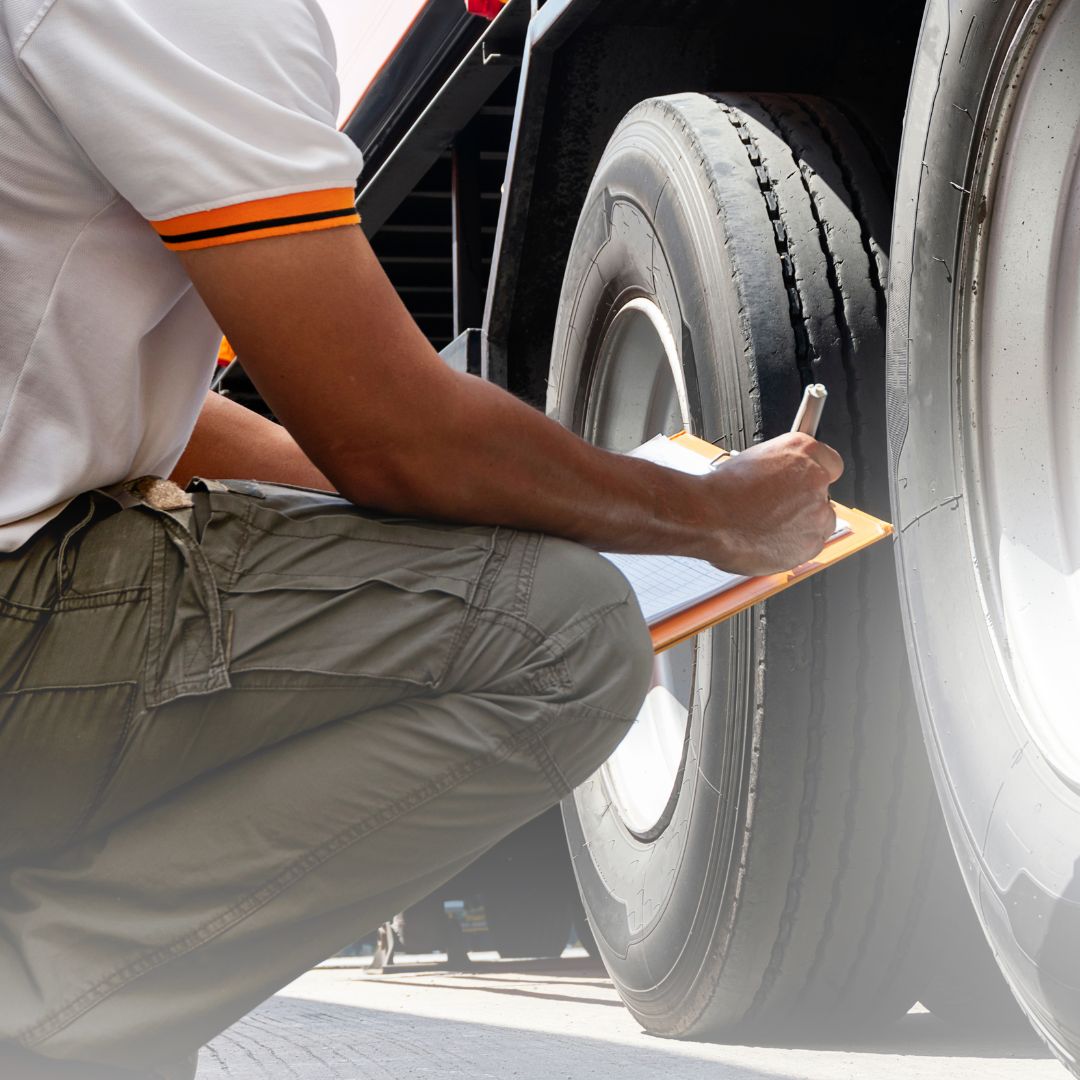
In the world of trucking, safety is paramount. Ensuring that truck trailers are in top condition not only prevents costly repairs but also protects drivers and other road users. Regular maintenance and inspection can help catch potential issues before they turn into hazards.
Best practices for maintaining and inspecting your truck trailer
1. Regular Inspection Schedule
Maintaining a regular inspection schedule is crucial to keeping your trailer safe on the road. A comprehensive inspection should include pre-trip checks, as well as monthly and annual maintenance.
- Pre-Trip Inspections: Before each journey, conduct a quick inspection of essential components such as tyres, brakes, lights, and trailer connections. This will ensure that any immediate issues are addressed, reducing the risk of breakdowns on the road.
- Monthly and Annual Inspections: More thorough inspections should be done on a monthly and yearly basis. These include checking the undercarriage, suspension system, and other parts not easily visible during a quick pre-trip check.
2. Tyre Maintenance
Tyres are a critical component for safety, fuel efficiency, and load stability. Proper maintenance can prevent blowouts and reduce wear.
- Tyre Pressure: Regularly check tire pressure, as both over-inflated and under-inflated tyres can cause handling issues and lead to uneven wear. Correct tyre pressure will also optimise fuel efficiency.
- Tread Depth and Wear Patterns: Monitor tread depth and look for unusual wear patterns. Uneven wear could indicate alignment or suspension issues that need addressing.
- Replacement and Rotation: Rotating tyres regularly and replacing them when they show signs of significant wear will help maintain consistent performance and safety.
3. Brake System Checks
The brake system is vital to your trailer’s ability to stop safely. Regular brake checks can prevent accidents and keep your trailer compliant with safety regulations.
- Inspecting Brake Pads and Drums: Check the brake pads and drums for wear. Replace any parts that appear worn or damaged to ensure optimal braking power.
- Air Brake System Maintenance: If your trailer has an air brake system, regularly inspect air lines, hoses, and connections for leaks or cracks. Proper air brake maintenance is essential for safe stopping.
- Emergency Brake System: Ensure the emergency brake system is fully functional. This system can be a lifesaver in situations where primary brakes fail.
4. Lighting and Reflectors
Visibility is a key factor in road safety, especially for large trailers. Properly functioning lights and reflectors are essential for signalling to other drivers and for night-time visibility.
- Regular Light Checks: Regularly inspect all lights, including brake lights, headlights, and indicators. Replace any faulty bulbs immediately.
- Reflective Tape and Markers: Reflective tape and markers are essential for night-time driving. Ensure that all reflectors are clean and undamaged, as they help other drivers see your trailer in low-light conditions.
5. Suspension System Maintenance
The suspension system supports the trailer’s load and contributes to a smooth, stable ride. Regular checks can prevent serious issues from developing.
- Checking Suspension Components: Inspect the suspension components, including leaf springs, shock absorbers, and bushings, for signs of wear or damage. If you notice any rust or cracks, address them immediately to prevent further damage.
- Lubrication and Adjustments: Lubricate all moving parts as per manufacturer recommendations. This will prevent premature wear and extend the life of the suspension system.
6. Load Security
A secure load is essential for both safety and compliance. Unsecured or improperly loaded cargo can shift during transit, leading to accidents or damage to the trailer.
- Proper Load Distribution: Distribute loads evenly to avoid imbalanced weight, which can affect handling and increase the risk of tipping.
- Securing Loads with Straps and Chains: Use appropriate straps, chains, and other securing devices to prevent cargo from shifting. Always check the integrity of securing equipment before each trip.
7. Regular Cleaning and Corrosion Prevention
Keeping your trailer clean not only improves its appearance but also helps prevent rust and corrosion, which can compromise its structural integrity over time.
- Cleaning the Exterior and Undercarriage: Regularly clean the trailer’s exterior and undercarriage, especially after driving in harsh weather conditions. Removing dirt and grime will help prevent rust.
- Applying Anti-Corrosion Treatments: Consider using anti-corrosion treatments on areas prone to rust. These treatments can extend the life of your trailer, particularly in regions with high humidity or salt exposure.
8. Keeping Up with Record-Keeping and Compliance
Proper record-keeping is essential for ensuring compliance with safety regulations and for tracking maintenance history.
- Maintenance Logs: Maintain accurate logs of all inspections, repairs, and maintenance activities. This documentation can help you track the trailer’s condition over time and ensure that all necessary maintenance is up to date.
- Compliance with Local and National Regulations: Stay informed about local and national regulations regarding trailer maintenance. Adhering to these regulations not only ensures safety but also prevents potential fines.
Conclusion on Efficient Truck Trailer Maintenance
By incorporating these best practices into your routine, you can significantly reduce the risk of accidents and extend the life of your truck trailer. Regular inspections, timely maintenance, and proper load security all contribute to a safer, more reliable trailer that keeps you, your cargo, and others on the road safe. Remember, a well-maintained trailer is an investment in both safety and efficiency, ensuring that every journey is as smooth as possible.